Real estate marketing is an ever-evolving landscape, and staying ahead of trends is crucial for success in this competitive industry. As we enter 2025, it’s important for real estate professionals to adopt new strategies to reach potential buyers effectively and boost sales. Whether you’re a real estate agent, developer, or property manager, leveraging the right marketing techniques can significantly impact your business outcomes. In this blog, we’ll explore the top 10 real estate marketing strategies designed to help you increase visibility, generate leads, and close more sales in the coming year.
1. Leverage Digital Marketing Channels
In today’s world, digital marketing is a game-changer. Buyers and sellers alike are turning to online platforms to find and research properties. Here’s how to maximize digital marketing:
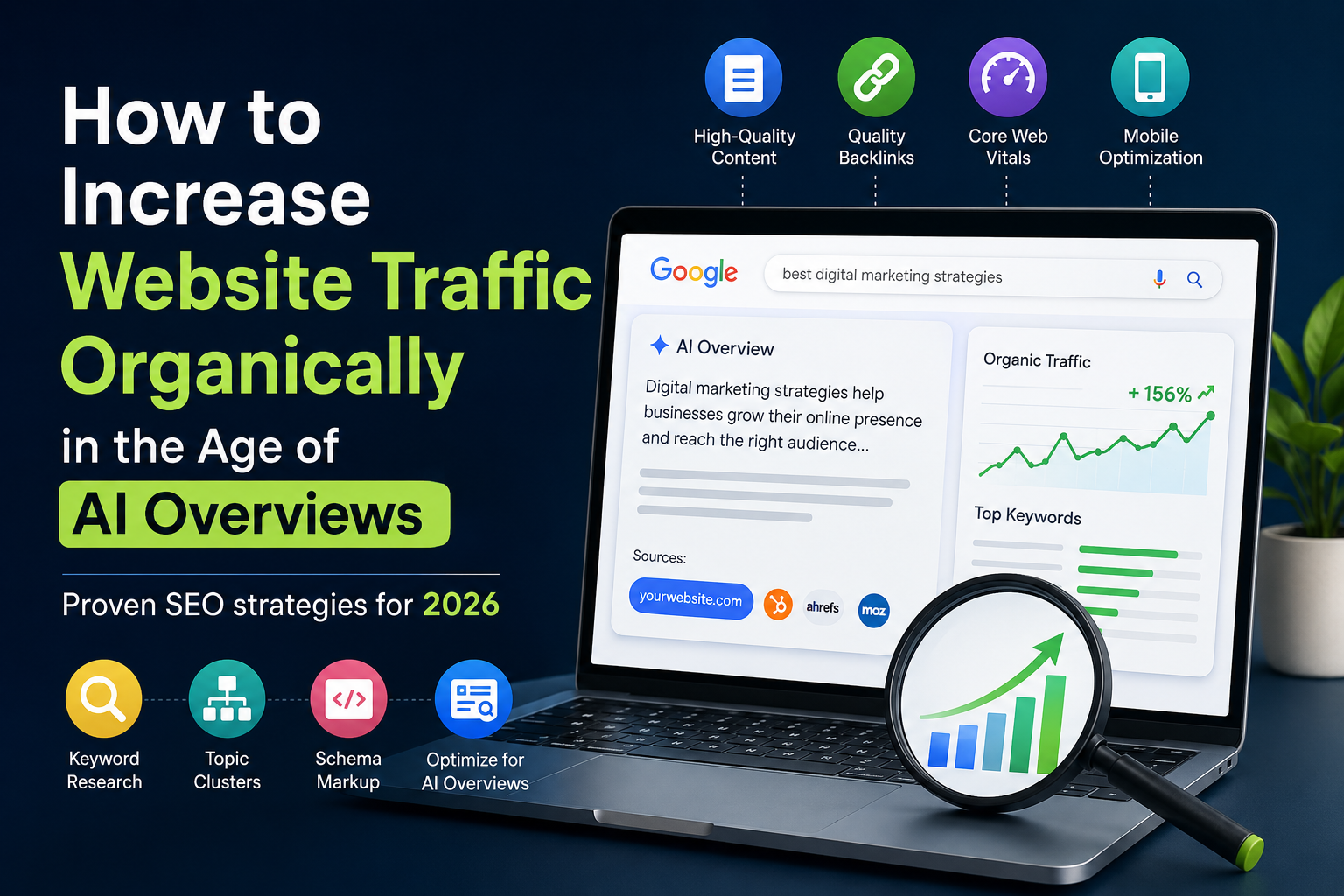
- Search Engine Optimization (SEO): Optimize your website and content for local search to increase visibility. Use relevant keywords, create high-quality content, and ensure your site loads quickly.Google favors websites that load fast, so improving site speed can also help with search engine rankings.
- Google Ads: Target specific audiences with pay-per-click (PPC) advertising on Google. Use location-based and buyer-specific targeting to get the right leads.Tailoring your ads to appear in searches for local listings can help capture potential buyers when they are actively searching.
- Social Media Marketing: Platforms like Facebook, Instagram, and LinkedIn are great for promoting properties, reaching potential buyers, and sharing updates about your listings.Social media also enables you to interact with clients, share testimonials, and demonstrate your expertise.
- Email Marketing: Send personalized email campaigns to potential buyers and sellers, including newsletters, property updates, and market insights.Email remains one of the most effective ways to nurture leads and keep your audience engaged.
2. Create High-Quality Visual Content
In real estate, visuals matter. High-quality photos, videos, and virtual tours are essential to showcase properties effectively.
- Professional Photography: Use professional photographers to capture clear, well-lit, and aesthetically pleasing images of your listings. High-quality images can significantly boost interest in a property and help it stand out in online listings.
- Virtual Tours: Provide interactive virtual tours to give potential buyers a realistic view of the property, allowing them to explore spaces from their own homes. Virtual tours are particularly valuable for out-of-town buyers or during times when in-person visits may be limited.
- Drone Footage: Capture aerial views of properties, particularly for larger homes or luxury listings, to provide an impressive perspective. Aerial shots of neighborhoods or properties with expansive yards can give buyers a unique view that ground-level photos simply can’t match.
3. Content Marketing and Blogging
Content is king in digital marketing. By providing useful and relevant content, you can establish authority and attract potential buyers.
- Blogging: Write blog posts about local real estate trends, market analysis, buying and selling tips, and neighborhood spotlights. This helps with SEO and keeps your audience engaged.The more valuable and informative your content is, the more likely it is that potential clients will turn to you when they need help with their real estate needs.
- Market Insights: Share insights about local market conditions, price trends, and investment opportunities to help potential buyers make informed decisions. In addition to showcasing properties, providing valuable information can position you as a trusted source of expertise in your market.
- Client Testimonials and Case Studies: Showcase success stories and client testimonials to build trust and credibility. Positive reviews and real-life examples of clients who’ve had great experiences working with you can make a significant impact on prospective buyers.
4. Utilize Social Media Ads
Social media platforms offer powerful advertising tools to target specific audiences based on location, interests, and demographics.
- Facebook and Instagram Ads: Create highly targeted ads that appear in users’ feeds based on their search behavior and demographics. For example, you can target ads to people who have shown interest in real estate or home improvement, increasing the chances of reaching individuals who are already considering a property purchase.
- LinkedIn Ads: Reach out to professionals and potential investors with tailored ads on LinkedIn. Reach out to professionals and potential investors with tailored ads on LinkedIn. LinkedIn is a great platform for targeting individuals who are looking to invest in real estate or seeking high-end properties.
- Retargeting Ads: Use retargeting ads to reconnect with visitors who didn’t convert the first time around. These ads remind potential buyers about your listings, keeping your properties top of mind and increasing the likelihood of a sale.
5. Implement Advanced CRM and Automation
Streamline your sales process with a robust Customer Relationship Management (CRM) system and marketing automation.
- CRM Integration: Use a CRM system to manage leads, follow-ups, and sales pipelines efficiently. By storing all your client interactions and data in one place, CRMs allow you to keep track of every lead and ensure no opportunity slips through the cracks.
- Email Automation: Set up automated email sequences to stay in touch with leads, nurture them, and convert them into buyers. Automated emails can be set up to send property listings, follow-up messages, and reminders about open houses.
- Workflow Automation: Automate repetitive tasks, such as follow-ups and scheduling, to save time and focus on building relationships. Workflow automation can free up your time for more strategic tasks, like building your brand and engaging with clients.
6. Boost Local SEO and Online Reviews
Local SEO helps you attract local buyers, and online reviews build trust and credibility.
- Optimize Your Google My Business Profile: Ensure your business is listed accurately and includes location, hours, and contact information. A fully optimized Google My Business profile can improve your visibility in local searches and help build trust with potential clients.
- Encourage Reviews: Ask satisfied clients to leave positive reviews on platforms like Google, Yelp, and Zillow. Positive reviews can significantly impact your credibility and influence the buying decisions of potential clients.
- Local Listings: Ensure your business appears consistently across all directories to enhance visibility. Being listed on local real estate websites and directories can help increase your chances of being found by local buyers. To strengthen your visibility, it’s equally important to understand the local SEO ranking factors that influence how your project appears to nearby homebuyers.
7. Personal Branding and Thought Leadership
Establish yourself as a trusted and knowledgeable professional in your niche.
- Create a Unique Brand Voice: Build a personal brand that reflects your expertise, values, and professionalism. A strong personal brand can help you stand out in a competitive market and build trust with your audience.
- Host Webinars and Live Sessions: Share knowledge and answer client questions in real-time, establishing authority. Live sessions are a great way to engage with your audience and offer valuable insights on the real estate market.
- Participate in Local Events and Networking: Attend industry events and local networking to build connections. Networking with other real estate professionals and potential buyers can help grow your business.
8. Content Distribution and Email Newsletters
Regular updates via email can keep your audience informed and engaged.
- Targeted Email Newsletters: Share market updates, property listings, and local news tailored to your subscribers’ interests.Segment your email list to send more relevant content to specific groups based on location, buying preferences, or stage in the buying process.
- Segmented Email Campaigns: Send customized messages to different buyer personas to ensure relevance. Personalizing your messages increases the likelihood of a response and makes clients feel more valued.
- Interactive Content: Use quizzes, polls, and surveys to engage recipients and gain insights into their preferences. These interactions can help you refine your messaging and better understand the needs of your audience.
9. Virtual and Augmented Reality (VR/AR) Technology
Innovative tools like VR and AR can give buyers an immersive experience without ever stepping foot inside a property.
- Virtual Reality Walkthroughs: Offer fully immersive 3D experiences to showcase homes, particularly useful for luxury and long-distance buyers.
- Augmented Reality Apps: Allow buyers to see how furniture and decor will fit into a space before making a purchase decision.
10. Partnerships and Collaborations
Collaborations with other businesses can help widen your reach and attract more potential buyers.
- Real Estate Portals and Aggregators: Partner with property portals and real estate aggregators to display your listings to a larger audience.
- Community Involvement: Sponsor local events or partner with businesses to build visibility and trust.
- Referral Programs: Implement a referral program to incentivize existing clients to bring in new leads.
Conclusion
Success in real estate marketing requires a blend of traditional and modern strategies tailored to your specific niche. These real estate marketing strategies will help you stay ahead in the industry and ensure your marketing efforts are effective in driving sales.
Ready to elevate your real estate marketing? Let Altois help you implement cutting-edge strategies that drive results.