The search engine landscape has undergone its most dramatic transformation in over a decade. Between the rapid integration of AI Overviews, the rise of Generative Engine Optimization (GEO), and evolving algorithm standards like Interaction to Next Paint (INP) and strict E-E-A-T guidelines, traditional search optimization alone is no longer enough.
Today, organic search still drives over 53% of all website traffic, making search visibility one of the most cost-effective acquisition channels available. However, with zero-click searches surging to nearly 68% due to AI-generated answers on search engine results pages (SERPs), running a website on outdated technical assumptions can quietly drain your organic performance.
This brings us to the single most critical maintenance task for any digital presence: the SEO audit.
What Is an SEO Audit?
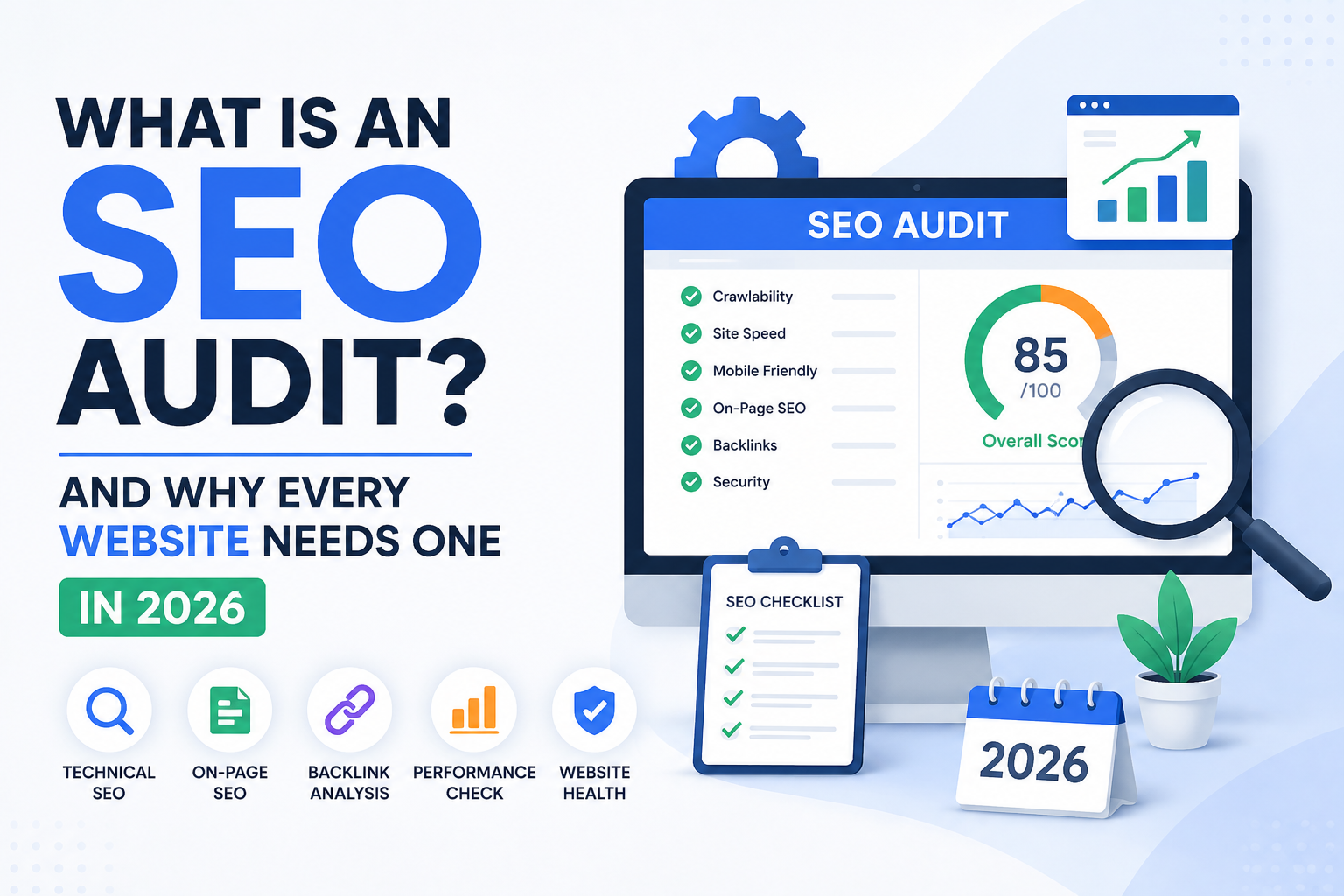
An SEO audit is a full health check of your website’s search performance. It looks at technical infrastructure, on-page optimization, content quality, backlinks, and user experience, and flags what is holding your rankings back.
A basic audit used to mean checking title tags, meta descriptions, and broken links. That is no longer enough. In 2026, a proper audit also checks whether AI systems can find, understand, and cite your content, not just whether Googlebot can crawl it.
A thorough audit typically covers four layers:
- Technical SEO: crawlability, site speed, Core Web Vitals, mobile-friendliness, indexing issues
- On-page SEO: title tags, meta descriptions, headings, internal linking, keyword placement
- Content quality: depth, accuracy, freshness, and whether pages actually answer what users are searching for
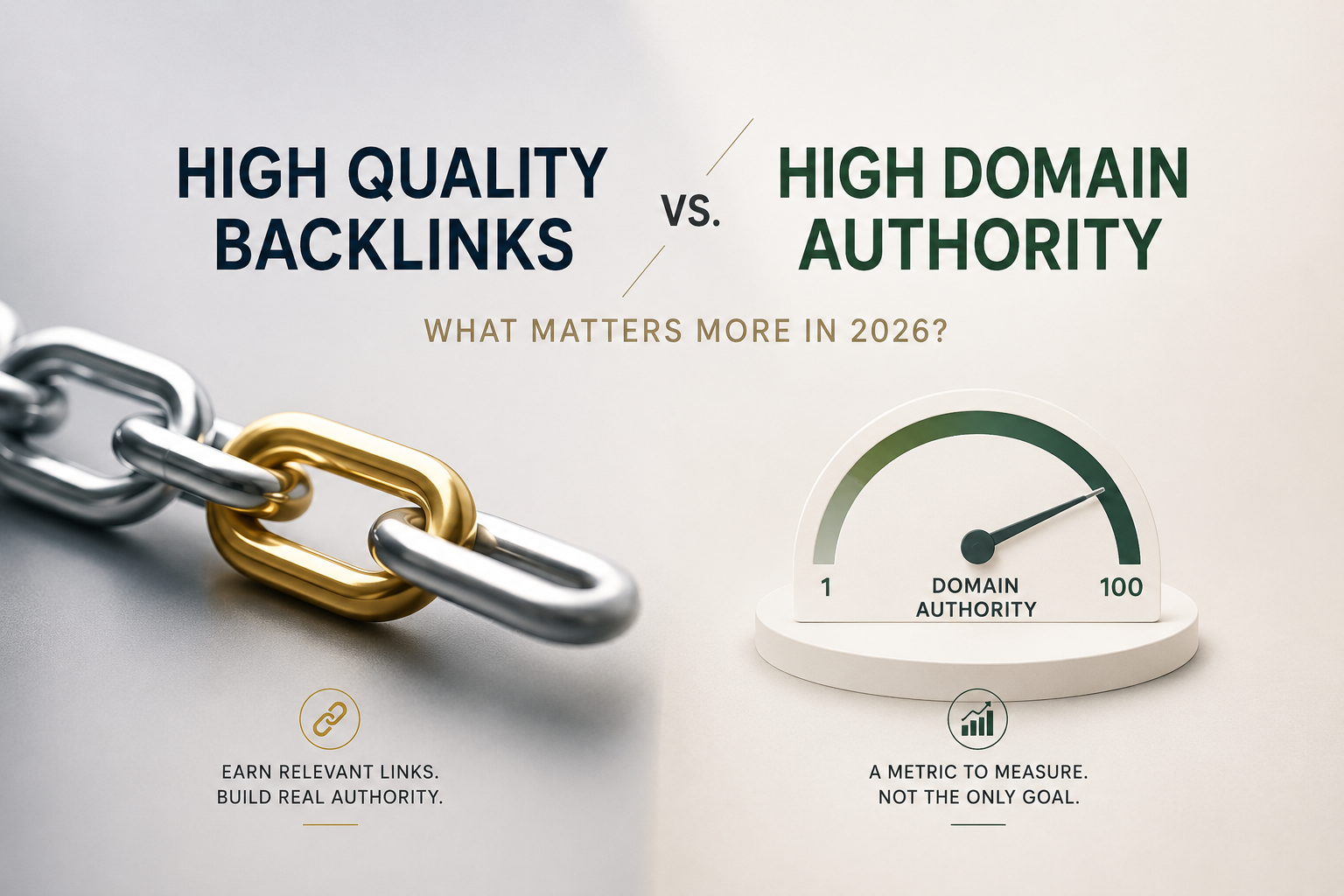
- Off-page factors: backlink profile, domain authority, and overall trust signals
The Core Pillars of a Modern 2026 SEO Audit
To deliver actionable insights, an SEO audit evaluates five fundamental areas:
| Audit Pillar | Key Elements Inspected | Why It Matters in 2026 |
| Technical SEO | Crawlability, indexability, XML sitemaps, canonical tags, HTTPS protocols | Prevents search engine bots from burning crawl budget on broken or duplicate pages. |
| User Experience (Core Web Vitals) | Interaction to Next Paint (INP), Largest Contentful Paint (LCP), Cumulative Layout Shift (CLS) | Fast, responsive sites are heavily prioritized by ranking algorithms and reduce bounce rates. |
| On-Page & Content Quality | Title tags, meta descriptions, header structure ($H_1, H_2, H_3$), search intent alignment | Ensures pages target high-intent keywords and optimize click-through rates (CTR). |
| E-E-A-T & GEO Readiness | Author bios, citations, brand mentions, structured data (Schema markup) | Crucial for appearing inside Google AI Overviews and AI answer engines like ChatGPT and Claude. |
| Off-Page & Link Health | Toxic link identification, anchor text diversity, domain authority profile | Protects against algorithmic penalties and identifies gaps in backlink equity. |
5 Reasons Why Every Website Needs an SEO Audit in 2026
1. Adapting to AI Overviews and Zero-Click Search
With AI Overviews appearing across more than 20% of search queries, users are increasingly getting immediate answers directly on the results page.
An SEO audit in 2026 checks whether your content is structured with atomic sections, direct definitions, and Schema markup—giving your brand the best chance of being cited as a source inside AI-generated summaries.
Key Statistic: In a 2026 global industry survey, 100% of SEO marketers agreed that E-E-A-T matters more now than ever before, while 43% are actively implementing GEO (Generative Engine Optimization) strategies.
2. Eliminating Hidden Technical Debt
Websites accumulate technical debt naturally over time. Plugin updates, site migrations, redesigns, and newly deleted pages leave behind a trail of:
- 301 redirect chains that slow down page loads.
- Orphan pages that search crawlers cannot discover.
- 404 error pages that hurt user experience and waste crawl budget.
An audit flags these technical roadblocks, ensuring search engines can index your core pages without hindrance.
3. Recovering Lost Click-Through Rates (CTR)
The top organic result on Google garners an average click-through rate of 27.6%. However, if your meta tags are outdated or unappealing, your pages will bleed clicks to competitors ranking below you.
An audit identifies “high impression, low click” pages in Google Search Console, giving you clear targets for rewriting meta titles and descriptions to boost CTR immediately.
4. Meeting Strict Core Web Vitals Standards
Site speed is no longer just a luxury, it is an explicit ranking signal. With Google’s emphasis on Interaction to Next Paint (INP), search engines directly measure how quickly a page responds to user clicks, taps, and keyboard inputs.
An SEO audit evaluates mobile performance metrics to ensure your pages load under 2.5 seconds, preventing visitors from bouncing to a competitor’s faster site.
5. Maximizing Your Marketing ROI
Organic search delivers an average 8x ROI, significantly higher than standard paid advertising channels. Publishing continuous blog posts or spending money on PPC ads without fixing structural SEO flaws is like pouring water into a leaky bucket. An audit ensures every dollar spent on content and marketing builds upon a solid technical foundation.
How Often Should You Run an SEO Audit?
- Quarterly Audits: Ideal for mid-to-large e-commerce sites, publishing platforms, or active blogs that frequently publish or update content.
- Bi-Annual Audits: Recommended for standard business websites and B2B service providers.
- Immediate Audits: Essential whenever you undergo a website redesign, domain migration, CMS switch, or notice a sudden drop in organic traffic.
The Real Takeaway
An SEO audit used to be a once-a-year formality. In 2026, it is closer to ongoing maintenance. Search itself is split into multiple surfaces, traditional results, AI Overviews, chat-based assistants, and each one rewards a slightly different kind of website health.
Skipping regular audits does not just mean slower growth anymore. It means becoming invisible on the surfaces where buyers are actually looking.