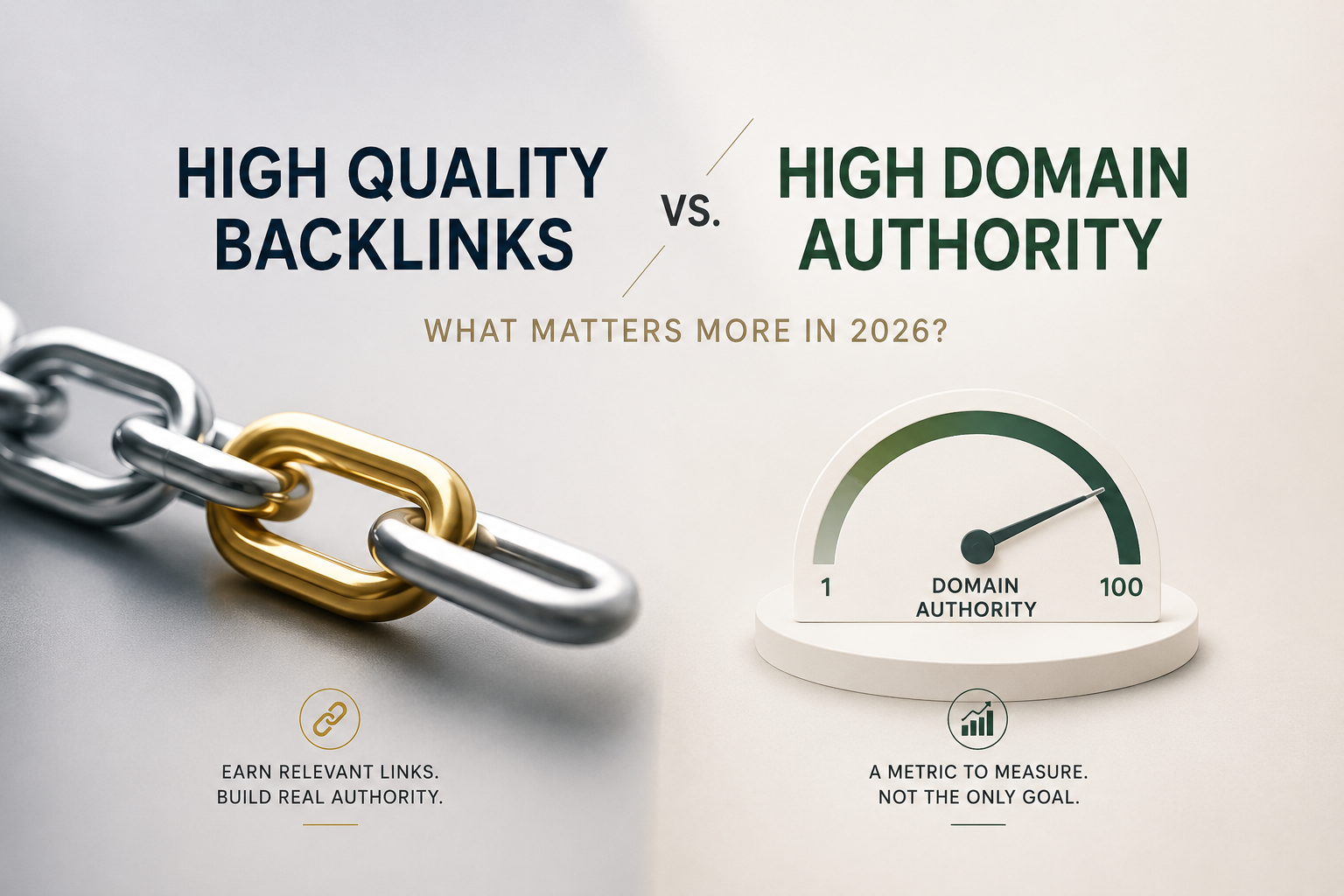
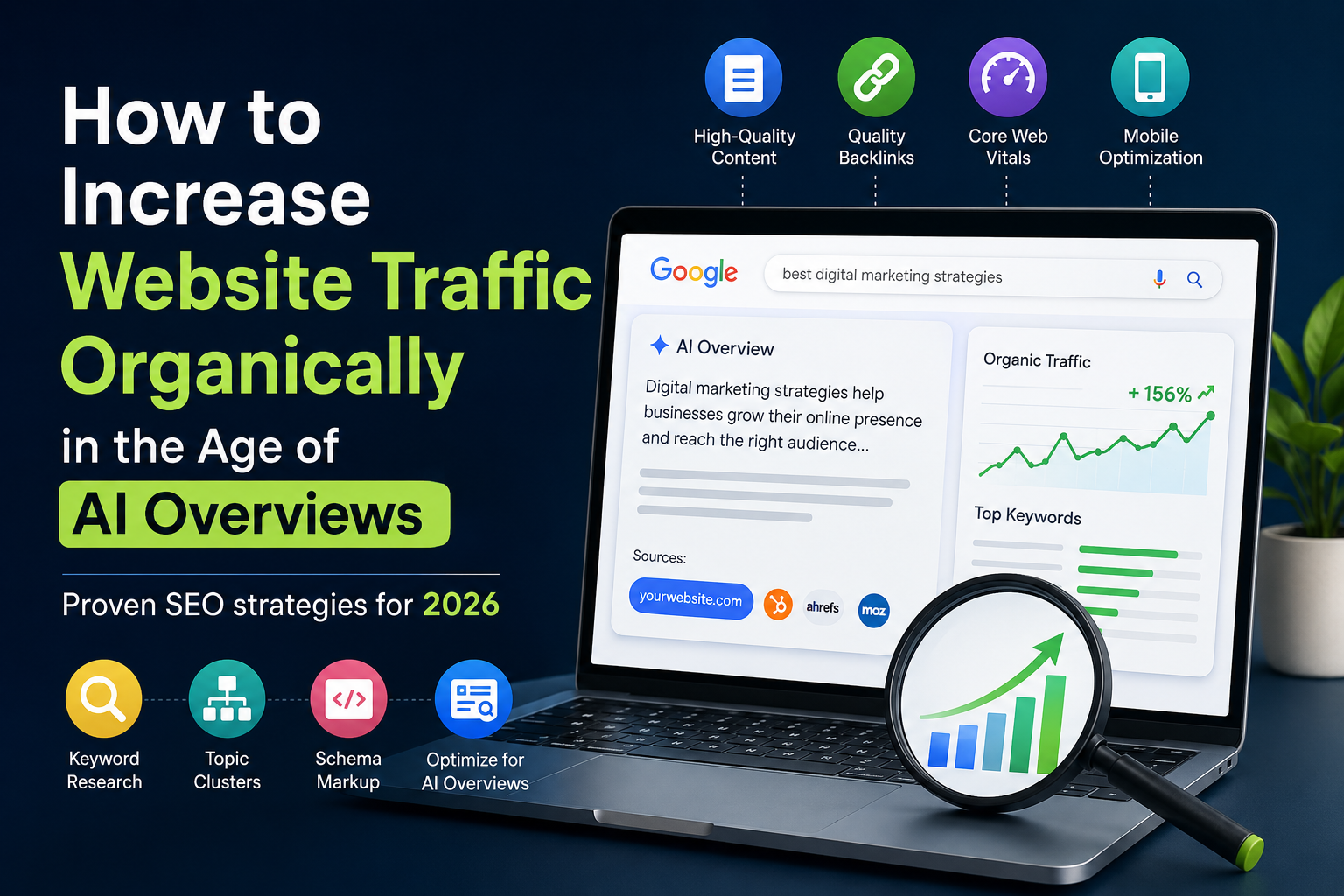
When it comes to improving your website’s ranking on Google, backlinks play a big role. But while good backlinks can boost your visibility, toxic backlinks can do the exact opposite. In fact, they can quietly harm your site’s SEO without you even realizing it.
In this blog, we’ll explain what toxic backlinks are, how they affect your website, and what you can do to fix or prevent them. Don’t worry — we’ll keep it simple and easy to understand.
What Are Toxic Backlinks?
Toxic backlinks are harmful links that come from untrustworthy, spammy, or irrelevant websites. Instead of helping your website’s SEO, these links can actually hurt it.
Think of it this way: if your website is getting links from low-quality or shady sources, Google starts to question the trustworthiness of your site too.
How Do Toxic Backlinks Happen?
Toxic backlinks can come from a variety of sources — sometimes without you even knowing. Here are some common causes:
- Spammy directories or link farms
- Paid backlinks from low-quality websites
- Comment spam on blogs or forums
- Hacked websites that link to you
- Irrelevant or non-niche websites linking to your content
- Duplicate or spun content with unnatural links
- Negative SEO attacks from competitors
In many cases, these backlinks are created automatically or through black-hat SEO tactics.
Why Are Toxic Backlinks Bad for SEO?
Toxic backlinks can damage your website’s reputation in the eyes of search engines. Here’s how:
1. Lower Search Rankings
Google’s algorithm detects spammy or unnatural links. If you have too many of them, your rankings may start to drop, even if the rest of your SEO is strong.
2. Manual Action or Penalties
In severe cases, Google may give your site a manual penalty. This can happen when they find you are actively using bad SEO practices (like buying backlinks). Your site could be pushed down in search results or even removed temporarily.
3. Loss of Trust
Google wants to show trustworthy sites to its users. Toxic backlinks from shady websites can make your site look untrustworthy.
4. Wasted Crawl Budget
Google crawls the web and follows links to discover new content. If your backlink profile is full of low-quality or broken links, it can waste crawl time and reduce how effectively your site is indexed.
How to Identify Toxic Backlinks
Thankfully, you don’t need to be an SEO expert to find toxic backlinks. Here are a few easy tools you can use:
- Google Search Console: It shows you which sites are linking to yours.
- Ahrefs, SEMrush, or Moz: These SEO tools have backlink audit features that flag suspicious or toxic links.
- Ubersuggest: A more affordable tool that also provides backlink data.
When looking at your backlinks, here are signs that a link might be toxic:
- The linking site has a very low domain authority.
- It looks like a spam site or has a lot of ads.
- The content is irrelevant to your niche.
- The link is from a foreign site with no relation to your target audience.
- The anchor text is unnatural or keyword-stuffed.
Can You Remove Toxic Backlinks?
Yes! You can take steps to remove or neutralize toxic backlinks. Here’s how:
1. Reach Out to the Site Owner
Sometimes, a polite email request is enough to get a backlink removed. Just ask the webmaster to take the link down.
2. Disavow the Link
If you can’t remove a toxic link manually, you can disavow it using Google’s Disavow Tool. This tells Google not to count those links when evaluating your website.
Important: Only use the disavow tool if you are sure the links are harmful. Using it the wrong way can do more harm than good.
3. Monitor Your Backlinks Regularly
Run backlink audits at least once a month to spot new toxic links early. The sooner you act, the easier it is to avoid SEO damage.
How to Prevent Toxic Backlinks
While you can’t always stop other sites from linking to you, you can reduce the chances of toxic links affecting your site. Here’s how:
- Avoid buying backlinks or using shady SEO services.
- Create high-quality, relevant content so you naturally earn good backlinks.
- Say no to link exchanges or unnatural guest post schemes.
- Keep an eye on your backlink profile using tools mentioned above.
- Build links from trusted, niche-relevant sites only.
Toxic Backlinks Are Fixable – But Act Fast
The good news is that toxic backlinks are not a permanent problem. With the right tools and a little effort, you can find and remove them, protect your rankings, and keep your website safe.
If you’re serious about growing your website traffic and ranking well on Google, keeping your backlink profile clean is just as important as creating good content.
Final Thoughts
Toxic backlinks are like silent threats to your SEO. You may not notice them at first, but over time, they can hurt your search rankings, reduce traffic, and damage your site’s reputation.
The best way to deal with them is to stay aware, act early, and build backlinks the right way. With regular audits and a clean SEO strategy, your website will be better protected — and better positioned for success.