Artificial Intelligence is no longer a futuristic concept in marketing — it is now the engine powering modern content strategies. From generating blog posts and ad copy to predicting audience behavior, AI is transforming how brands create, distribute, and optimize content. For every forward-thinking marketing agency, AI has become a critical tool to deliver faster results, deeper insights, and more effective campaigns.
In this article, we explore the key AI content marketing trends in 2026 that are shaping the future of digital content and what businesses must do to stay ahead.
1. Hyper-Personalized Content at Scale
Personalization has always been a cornerstone of effective marketing, but AI is taking it to an entirely new level. In 2026, brands are delivering hyper-personalized content tailored to individual users’ preferences, behaviors, location, and intent.
AI systems analyze vast amounts of data — browsing history, purchase patterns, engagement signals — to generate content that feels uniquely crafted for each user. This includes:
- Personalized emails and newsletters
- Dynamic website content
- Customized product recommendations
- Tailored ad creatives
- Individualized landing pages
Instead of segment-based marketing, businesses are moving toward “segment of one” strategies, where every customer receives a unique experience.
2. AI-Generated Content Becoming Mainstream
AI writing tools have matured significantly. In 2026, AI-generated content is no longer limited to basic drafts — it now produces high-quality blogs, scripts, social posts, product descriptions, and even video narratives.
However, successful brands are not replacing human creativity. Instead, they are using AI as a co-creator.
Common use cases include:
- First drafts for blogs and articles
- SEO-optimized content creation
- Social media captions and calendars
- Ad copy variations for testing
- Long-form content outlines
The winning formula is Human + AI collaboration, where marketers refine tone, storytelling, and brand voice while AI handles speed and scale.
3. AI-Powered SEO and Search Optimization
Search behavior is changing. Traditional keyword stuffing is fading, replaced by intent-driven and conversational search.
AI tools now help marketers:
- Identify high-value keywords and topics
- Optimize content structure automatically
- Predict ranking potential
- Analyze competitors in real time
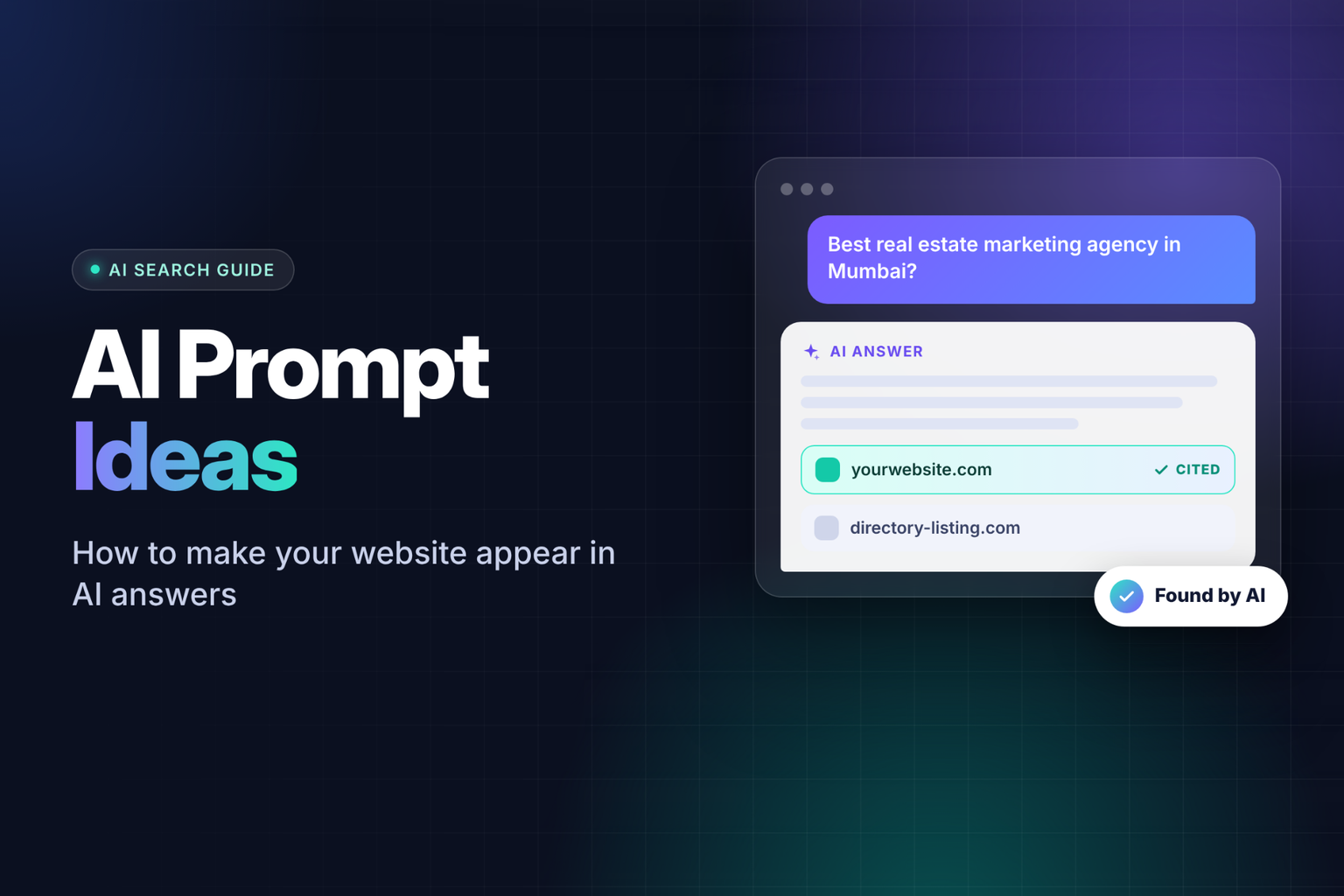
- Adapt content for voice search and AI search engines
With AI search assistants becoming common, content must be informative, authoritative, and structured for machine understanding as well as human readers.
4. Rise of Multimodal Content Creation
In 2026, content is no longer just text. AI tools can generate and combine multiple formats — text, images, audio, video, and interactive elements — from a single prompt.
This shift enables brands to produce complete campaigns faster:
- Blog → Social posts → Video → Infographics → Email copy
- Script → Voiceover → Video content
- Product data → Visual ads → Landing pages
Multimodal AI significantly reduces production time and cost while maintaining consistency across channels.
5. Predictive Content Strategy
One of the most powerful developments is AI’s ability to predict what content will perform before it is published.
Using historical data and real-time signals, AI can forecast:
- Topics likely to trend
- Optimal publishing times
- Audience engagement potential
- Conversion probability
- Content gaps in the market
This shifts content marketing from reactive to proactive. Instead of guessing what might work, brands can make data-backed decisions.
6. Automated Content Distribution
Creating great content is only half the battle — distribution determines success. AI is now optimizing where, when, and how content should be shared.
Modern AI systems can:
- Schedule posts at peak engagement times
- Customize messages for each platform
- Select optimal channels for specific audiences
- Repurpose content automatically
- Manage cross-channel campaigns
This ensures maximum reach with minimal manual effort.
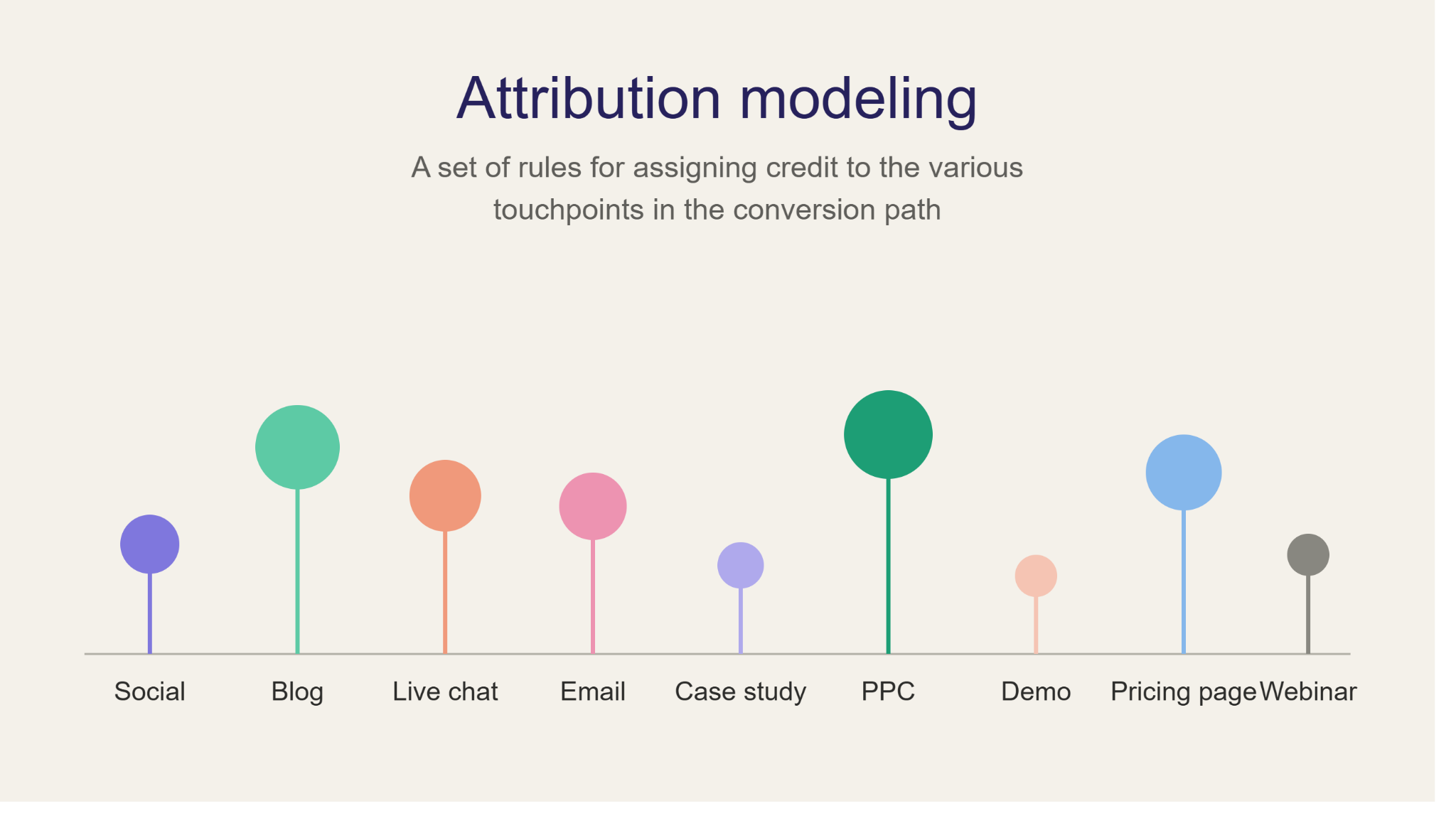
7. AI-Enhanced Customer Journey Mapping
AI is enabling marketers to understand the entire customer journey in unprecedented detail. By analyzing user interactions across touchpoints, AI identifies where prospects drop off and what content can move them forward.
This allows brands to deliver the right content at the right stage:
- Awareness → Educational content
- Consideration → Comparisons and case studies
- Decision → Testimonials and offers
- Retention → Personalized updates
As a result, content becomes a guided experience rather than isolated pieces.
8. Ethical AI and Content Authenticity
As AI-generated content becomes widespread, concerns around misinformation, plagiarism, and authenticity are increasing. In 2026, transparency and ethical use of AI are becoming critical trust factors.
Brands are focusing on:
- Human oversight and editorial review
- Fact-checking AI outputs
- Disclosure of AI-generated content when necessary
- Maintaining brand voice consistency
- Avoiding generic or low-value content
Authenticity remains a competitive advantage in an AI-driven world.
9. Voice and Conversational Content Growth
With the rise of smart assistants and conversational interfaces, voice-first content is gaining traction. AI is helping brands create content optimized for spoken queries and natural language interactions.
Examples include:
- Voice search–optimized blogs
- Podcast scripts generated by AI
- Conversational landing pages
- Chatbot-driven content delivery
Content is becoming more dialogue-based rather than purely informational.
10. Real-Time Content Optimization
AI tools can now monitor content performance continuously and make adjustments on the fly. This includes updating headlines, images, CTAs, and even body content to improve engagement.
Real-time optimization capabilities include:
- A/B testing at scale
- Dynamic content updates
- Personalized recommendations
- Automated performance reporting
This ensures content remains effective long after publication.
The Future: Human Creativity + AI Intelligence
Despite rapid advancements, AI is not replacing marketers — it is empowering them. The most successful brands in 2026 are those that combine human insight, storytelling, and emotional intelligence with AI’s speed and analytical power.
AI handles:
- Data processing
- Automation
- Scale
- Optimization
Humans provide:
- Creativity
- Strategy
- Brand voice
- Empathy
- Ethical judgment
Together, they create content that is both efficient and meaningful.
Conclusion
AI content marketing in 2026 is defined by personalization, automation, predictive insights, and multimodal creation. Businesses that embrace these trends will produce more relevant, engaging, and high-performing content while saving time and resources.
However, the goal is not to replace human creativity but to enhance it. The future of digital content belongs to brands that use AI thoughtfully — blending technology with authenticity to deliver real value to their audiences.Looking to leverage AI content marketing for real business growth? Altois Digital helps brands implement data-driven, AI-powered strategies that attract, engage, and convert the right audience. Get in touch with our team to transform your content into measurable results.