SaaS has become highly competitive. For your business to grow, potential customers need to find you online. Appearing high in Google search results is essential for visibility, trust, and attracting leads. But getting to the top isn’t random.
Google uses a complex set of criteria to decide which websites are most relevant and authoritative for any given search query. Understanding these factors is key to improving your own site’s performance.
In this blog, we will break down the crucial elements that help a SaaS website climb the ranks. Let’s continue reading and learn more!
The Foundation: Technical SEO for SaaS
Your website’s technical setup is its core foundation. For SaaS, which often involves complex structures, a strong technical base is vital. It helps Google understand your site and ensures a good user experience.
Here are the key technical areas for SaaS websites:
- Site Speed and Core Web Vitals: Pages must load quickly, especially on mobile. Slow sites frustrate users and can impact ranking.
- Mobile-Friendliness: Your site needs to work perfectly and look good on smartphones and tablets. Google ranks based on the mobile version.
- HTTPS Security: Secure your site with an SSL certificate. This is a standard security measure and a ranking signal.
Focusing on these technical points creates a stable platform for your SaaS site to perform well in search results.
Building Authority Through Backlinks

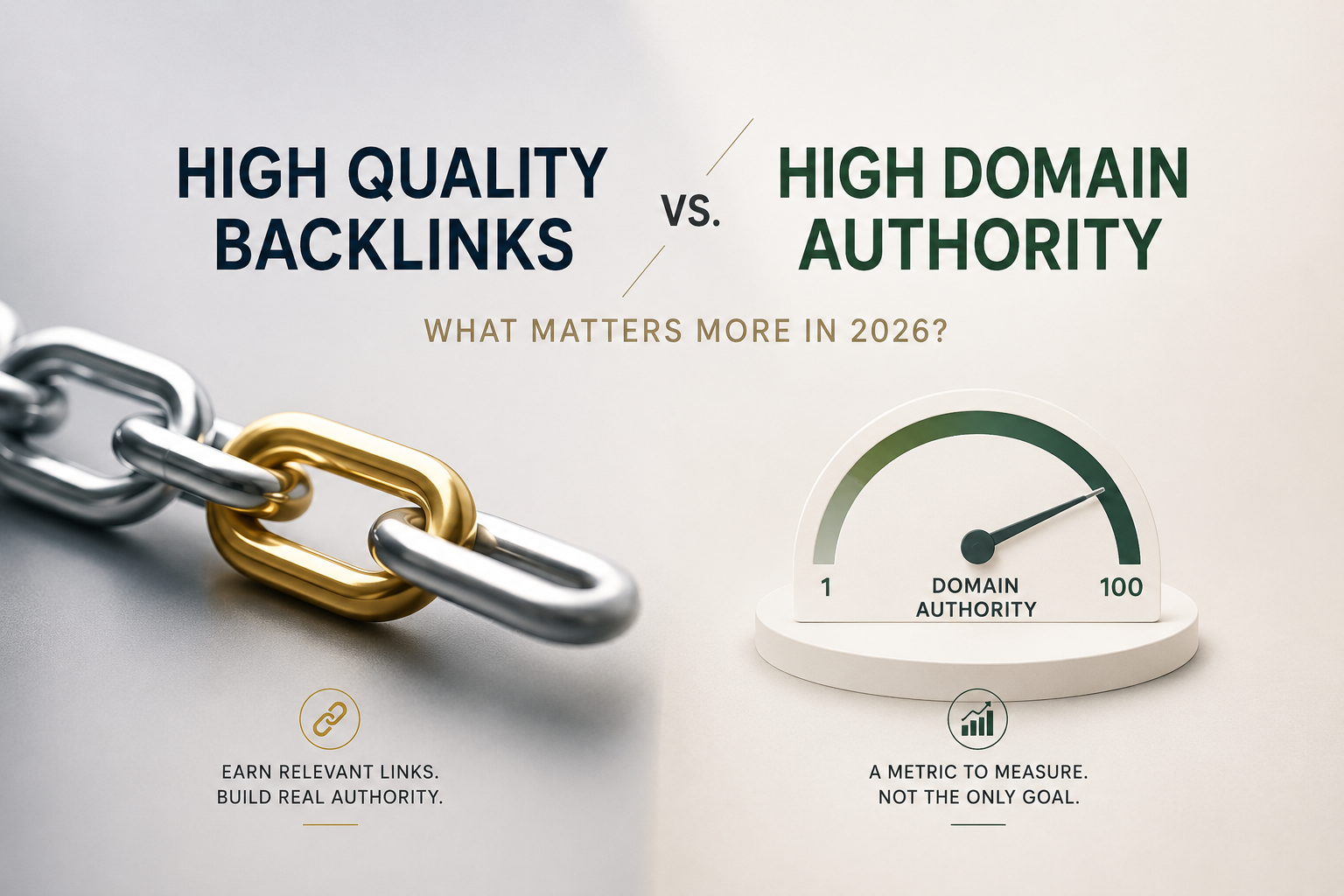
Google sees backlinks – links from other websites to yours – as a recommendation. When reputable and relevant sites link to your SaaS website, it tells search engines that your content and service are valuable and trustworthy. Building this authority is critical, especially in competitive niches.
It’s not just about having lots of links; the quality and relevance of the linking site matter most. A link from a respected industry publication or a complementary technology blog carries significant weight.
Strategies for earning these valuable links include:
- Creating exceptional content that others naturally want to reference.
- Guest posting on relevant industry websites.
- Building relationships with influencers and journalists.
- Securing mentions and links through digital PR efforts.
Explore the results experienced by businesses that have successfully acquired high-quality SaaS backlinks from Outreach Monks, a trusted link-building agency. Look for agencies specializing in the SaaS sector, known for delivering backlinks that drive growth and enhance search engine visibility for their clients.
Additionally, don’t forget the power of internal linking. A strong backlink profile, combined with smart internal linking, significantly boosts your site’s authority in Google’s eyes.
High-Quality, Problem-Solving Content
Content is how you communicate your value to potential customers and to Google. For SaaS, it’s not just about having words on a page; it’s about providing real value that addresses the specific problems your software solves. Your content needs to be high-quality, relevant, and informative.
Key aspects of effective content for SaaS ranking:
- Understand User Intent: What are potential customers searching for? Are they researching a problem, looking for a solution, or comparing products? Create content that matches these different stages.
- Target Relevant Keywords: Identify the words and phrases your audience uses. This includes long-tail keywords related to specific features, use cases, or integrations.
- On-Page Optimization: Use your target keywords naturally in titles, headings, introductory paragraphs, and throughout the body text. Include descriptive alt text for images.
- Keep Content Fresh: Regularly update existing content or add new posts to stay relevant.
Valuable, well-optimized content attracts and engages your target audience. Thai signals relevance and authority to search engines.
User Experience (UX) & Engagement Signals

Google aims to show users the best possible results. A significant part of “best” is how easily and effectively a user can interact with your website. While Google doesn’t share exact details on how much user behavior directly impacts rankings, happy users tend to spend more time on your site and visit more pages, which sends positive signals to Google. A good user experience contributes strongly to ranking higher.
Consider these UX factors:
- Intuitive Navigation: Can visitors easily find pricing, features, support, or sign-up options? Confusing menus lead users to leave quickly.
- Page Load Speed: As mentioned before, fast loading is crucial for technical health, but it’s also fundamental for user patience.
- Clear Calls to Action (CTAs): Make it obvious what users should do next, whether it’s starting a free trial or requesting a demo.
- Readability and Visual Design: Use clear fonts, sufficient white space, and a clean layout. A site that’s easy on the eyes and simple to read keeps users engaged.
- Mobile Responsiveness: This is both technical and UX; the site must function flawlessly and comfortably on all devices.
When users have a positive experience on your site, they are more likely to stay and explore for longer. This positive engagement suggests to Google that your site is relevant and valuable for the user’s search query.
Conclusion
Getting your SaaS website to rank higher on Google is a continuous effort. It isn’t about one magic trick but a blend of different elements working together. You need a strong technical foundation alongside truly helpful content that solves user problems.
Building your site’s authority over time is also key. Remember, a positive experience for your users on the site matters greatly, too. Investing consistently in these areas is essential for improving visibility and achieving sustainable growth in the competitive SaaS market.