In the fast-paced world of online marketing, guest posting has become one of the most effective strategies to build authority, generate backlinks, and reach new audiences. For businesses and marketers, especially in the digital marketing space, writing a high-quality guest post isn’t just about publishing content, it’s about creating value for the readers and credibility for the brand.
If you want your guest posts to perform well, understanding the fundamentals of SEO content writing is essential.
If you’re wondering how to create a guest post that gets accepted and delivers results, this step-by-step guide will walk you through the entire process.
1. Understand the Purpose of Guest Posting
Before typing a single word, it’s important to know why guest posting matters.
A digital marketing guest post serves multiple purposes:
- Boosting SEO by earning high-quality backlinks.
- Building authority in your niche by showcasing expertise.
- Reaching new audiences through established platforms.
- Generating leads by driving relevant traffic to your website.
When you approach guest posting with these goals in mind, your content naturally becomes more purposeful and impactful.
2. Research and Choose the Right Website
Choosing the right website is important for guest posting. Publishing your content on a random blog won’t bring the same results as contributing to a trusted, relevant platform.
Here’s what to consider when choosing the right site:
- Relevance: The website should focus on digital marketing, SEO, or related fields.
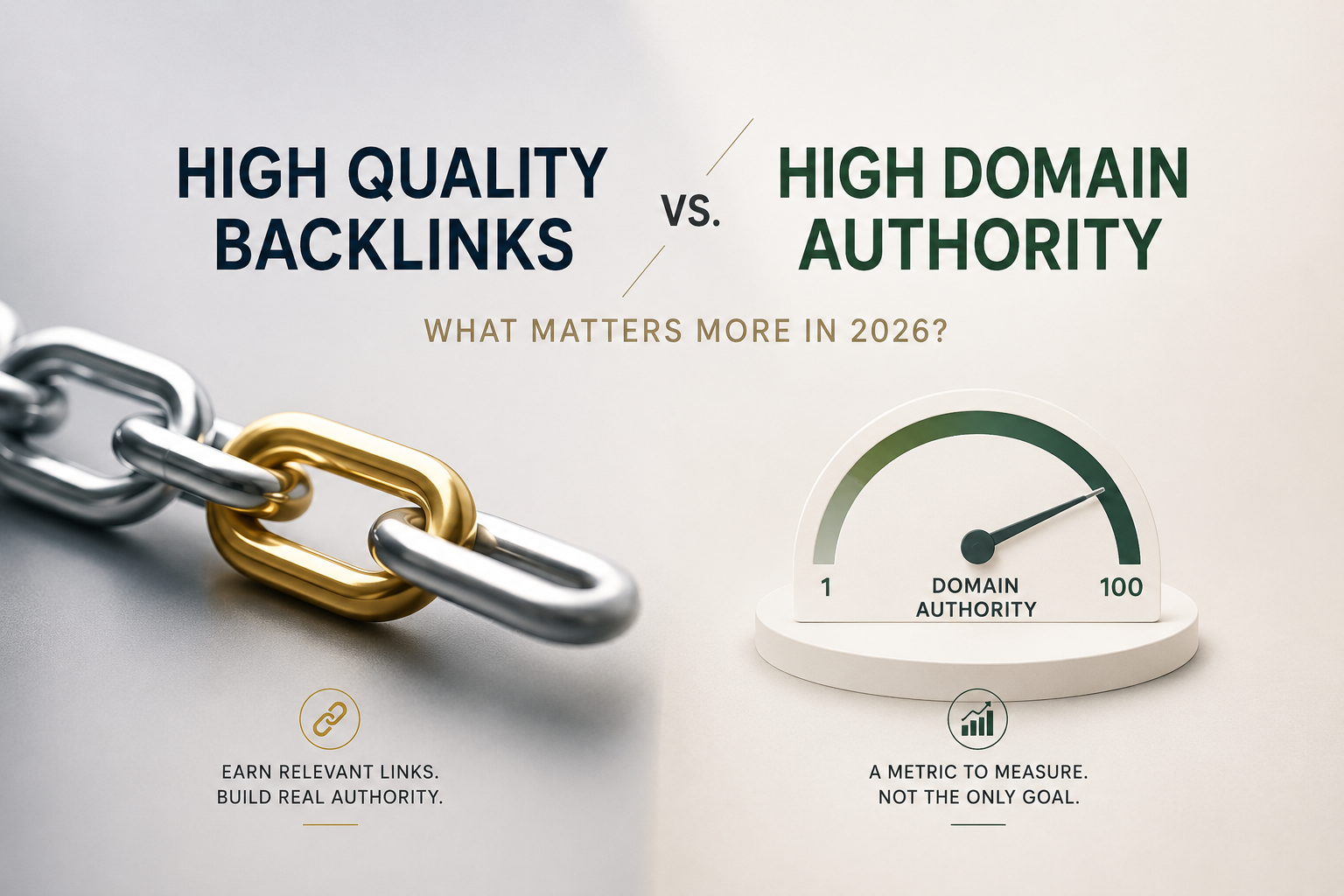
- Domain Authority (DA): Higher DA sites pass stronger SEO value.
- Audience Alignment: Ensure their readers match the audience you want to target.
- Engagement: Look for blogs with active readers who comment and share posts.
Tip: Use tools like Ahrefs, SEMrush, or Moz to check a site’s metrics before pitching.
3. Study the Blog’s Guidelines and Style
Most websites that accept guest posts provide submission guidelines. Ignoring them is the fastest way to get rejected.
Things to pay attention to:
- Word count requirements.
- Content format (listicles, guides, case studies, etc.).
- Linking policies (how many backlinks you can include).
- Tone of voice (formal, conversational, or technical).
- Use of visuals, references, or citations.
By aligning your writing style with the blog’s existing content, your post feels like a natural fit — increasing your chances of approval.
4. Select Topics That Add Real Value
One of the biggest mistakes guest contributors make is pitching generic or overused topics. To stand out, your guest post idea must be fresh, relevant, and valuable to the host blog’s readers.
How to Find the Right Topics:
- Check existing content: Browse the blog to see what’s already published. Avoid repeating ideas — instead, look for gaps you can fill.
- Focus on trending subjects: Use tools like Google Trends, BuzzSumo, or Exploding Topics to find what people are currently searching for in digital marketing.
- Solve problems: Think about common challenges marketers face (e.g., lead generation, ad performance, content strategy) and craft a topic that offers solutions.
- Be specific: Instead of “SEO tips,” try “5 Local SEO Tactics Every Real Estate Business Should Use in 2025.” Specific topics resonate more.
5. Create a Strong Outline Before Writing
When a guest post is well-organized, writing becomes easier and readers stay interested. Draft an outline with:
- Introduction: Hook readers with why the topic matters.
- Main Sections: Break down into 4–6 subheadings (steps, tips, or insights).
- Examples/Case Studies: Add credibility with real-world insights.
- Conclusion + CTA: Summarize and include a subtle call-to-action.
An outline also ensures your content flows logically and stays on track.
6. Write with Value, Not Self-Promotion
The golden rule of guest posting: Focus on value, not selling.
Here’s how to add value:
- Use simple, clear language.
- Share practical tips backed by examples.
- Provide step-by-step explanations instead of vague advice.
- Support points with data, research, or industry stats.
- Use visuals (images, infographics, charts) where possible.
Your guest post shouldn’t feel like an advertisement. Instead, it should educate, inspire, or solve problems for the readers.
7. Optimize for SEO Without Overstuffing
Since guest posts contribute to SEO, optimization is key. But it must feel natural.
- Use keywords strategically: Place your main keyword (e.g., digital marketing guest post) in the title, intro, and subheadings.
- Internal and external links: Link to authoritative sources as well as relevant content on the host site.
- Meta description: Write a clear 150–160 character summary with your keyword.
- Readable formatting: Use bullet points, short paragraphs, and bold highlights.
This approach ensures your content ranks better while still being engaging.
8. Add Your Backlink Smartly
Most blogs allow 1–2 backlinks. Place them contextually, not forcefully.
Good example:
“When planning campaigns, using a CRM can make a huge difference in tracking leads effectively (learn more in this detailed guide on CRM automation).”
Poor example:
“Buy services from my company here: www.mywebsite.com.”
A natural backlink blends into the content and enhances reader value.
9. Edit, Proofread, and Format
Even the best ideas lose impact if the content is poorly edited.
Checklist before submission:
- Run a grammar and spell check.
- Ensure sentences are concise.
- Use consistent formatting (H2s, H3s, bullet points).
- Double-check links and citations.
- Read aloud to spot awkward phrasing.
Polished content shows professionalism and builds trust with the blog owner.
10. Follow Up and Build Relationships
Guest posting isn’t a one-time tactic — it’s the beginning of a relationship-building strategy.
After your post is published:
- Share it on your social media channels.
- Reply to reader comments on the post.
- Thank the blog owner for the opportunity.
- Offer to collaborate again in the future.
This creates long-term partnerships, making it easier to land more guest post opportunities later.
Conclusion
Writing a high-quality digital marketing guest post is more than just putting words on a page. It’s about creating content that delivers genuine value to the host blog’s audience while strengthening your authority and SEO.
By following this step-by-step guide — from choosing the right site and pitching strong ideas to writing with value and optimizing for SEO — you can make your guest posts stand out and achieve long-term results.
So, the next time you set out to write a guest post, remember: focus on value, stay authentic, and aim for relationships, not just backlinks. That’s the true key to success in digital marketing guest posting.
Want to publish your article on our website? Get in touch with us and let’s collaborate.