Introduction
Bus shelter advertising is one of the most effective forms of out-of-home (OOH) marketing for targeting a specific local audience. For real estate developers, it provides a cost-efficient and impactful way to ensure consistent visibility within a project’s target area. By strategically placing advertisements at bus stops, developers can influence potential buyers during their daily routines and create strong brand recall.
What Is Bus Shelter Advertising?
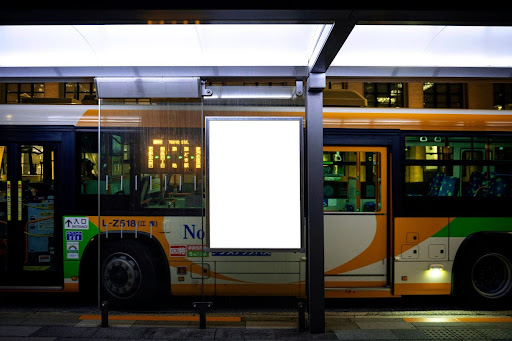
Bus shelter advertising involves displaying promotional content on bus stop structures. These advertisements can be in the form of printed posters, vinyl wraps, or illuminated displays. Positioned in high-traffic areas, bus shelters ensure continuous exposure to both pedestrians and vehicle passengers.
Key characteristics of bus shelter advertising:
- Fixed Location Placement: Ads are displayed at specific points, ensuring targeted visibility.
- Multiple Display Formats: Includes static posters, digital screens, and backlit panels.
- Round-the-Clock Exposure: Operates 24/7 without time restrictions.
- Community-Level Reach: Connects directly with local audiences.
Why Bus Shelter Advertising Works for Real Estate ?
Real estate marketing relies heavily on reaching buyers who are familiar with or interested in a specific location. Bus shelter advertising aligns with this need by focusing on geographic precision and repeated exposure.
Core reasons it works for real estate:
- Geographic Targeting: Ads are placed in areas that align with the project’s catchment zone.
- High Frequency of Impressions: Daily commutes ensure repeated visibility to the same audience.
- Localised Messaging: Creative content can be tailored to highlight location-specific benefits.
- Broad Audience Coverage: Reaches diverse demographic groups including pedestrians, commuters, and motorists.
Benefits of Bus Shelter Advertising for Real Estate
1. Hyper-Local Targeting
Bus shelter placements allow developers to reach potential buyers within a defined geographic area. This targeted approach ensures marketing efforts are concentrated on the most relevant audience.
2. Continuous Visibility
Unlike time-bound media, bus shelter ads provide 24/7 exposure. This constant presence reinforces brand recall and keeps the project visible throughout the campaign period.
3. Extended Viewing Time
People waiting at bus stops typically spend several minutes in one location, allowing them to absorb the ad content in more detail compared to quick-glance formats.
4. Brand Familiarity and Trust
Consistent exposure within a community fosters recognition and credibility. This visibility signals stability and seriousness, which are important factors in real estate purchasing decisions.
5. Synergy With Other Marketing Channels
Bus shelter advertising can work alongside digital, print, and event marketing to strengthen campaign reach. It supports multi-channel strategies by delivering offline reinforcement of online messages.
Elements of an Effective Bus Shelter Ad for Real Estate
1. Location Selection
Selecting shelters based on commuter flow, foot traffic, and proximity to key areas ensures maximum audience reach.
2. Visual Design
Clear, high-contrast visuals and legible typography improve visibility from varying distances.
3. Message Clarity
Concise and focused copy communicates the core selling points without overwhelming the viewer.
4. Branding Consistency
Maintaining uniform brand elements such as colors, logos, and fonts ensures alignment with other marketing assets.
5. Call-to-Action (CTA)
Inclusion of actionable prompts such as a contact number, website, or QR code enables quick next steps for interested prospects.
Best Practices for Bus Shelter Advertising in Real Estate
- Rotate Creative Designs: Updating ad designs periodically prevents visual fatigue.
- Highlight Location Advantages: Clear communication of accessibility and nearby facilities adds value to the message.
- Maintain Visual Hierarchy: Ensure that the project name, key offer, and contact details are prominent.
- Leverage High-Quality Printing: Use durable, weather-resistant materials to maintain visual impact over time.
- Ensure Compliance: Adhere to municipal advertising regulations and industry standards.
Measuring Effectiveness of Bus Shelter Campaigns
1. Tracking Response Channels
Assign unique phone numbers, landing pages, or QR codes to the campaign to monitor inquiries directly related to bus shelter ads.
2. Audience Feedback
Conduct surveys during site visits to determine the proportion of visitors influenced by bus shelter advertising.
3. Lead Volume Analysis
Compare lead generation data before, during, and after the campaign to assess impact.
4. Brand Recall Studies
Measure improvements in awareness through pre- and post-campaign research.
Conclusion
Bus shelter advertising is a highly effective medium for real estate developers aiming to capture the attention of local buyers. Its fixed location, continuous visibility, and targeted reach make it a valuable tool in any property marketing strategy. When executed with precise location selection, strong creative design, and integration with other channels, bus shelter campaigns can significantly improve brand awareness, trust, and lead generation within the local market
Partner with Altois Digital to plan and execute impactful bus shelter advertising campaigns that connect with your ideal audience and drive real estate sales.