As we step deeper into the AI-driven era, Google’s AI Mode has emerged as a game-changer in the world of search. With the rollout of the Search Generative Experience (SGE), the way content is discovered, ranked, and consumed is undergoing a significant transformation.
In 2025, AI Mode is not just another feature — it’s Google’s new standard for enhancing user experience with intelligent, summarized search results. For digital marketers, SEOs, and business owners, this means rethinking traditional strategies and adapting to a smarter, more context-aware search ecosystem.
In this blog, we’ll break down what AI Mode is, how it works, and most importantly — how it impacts Google’s ranking factors in 2025.
What Is Google’s AI Mode?
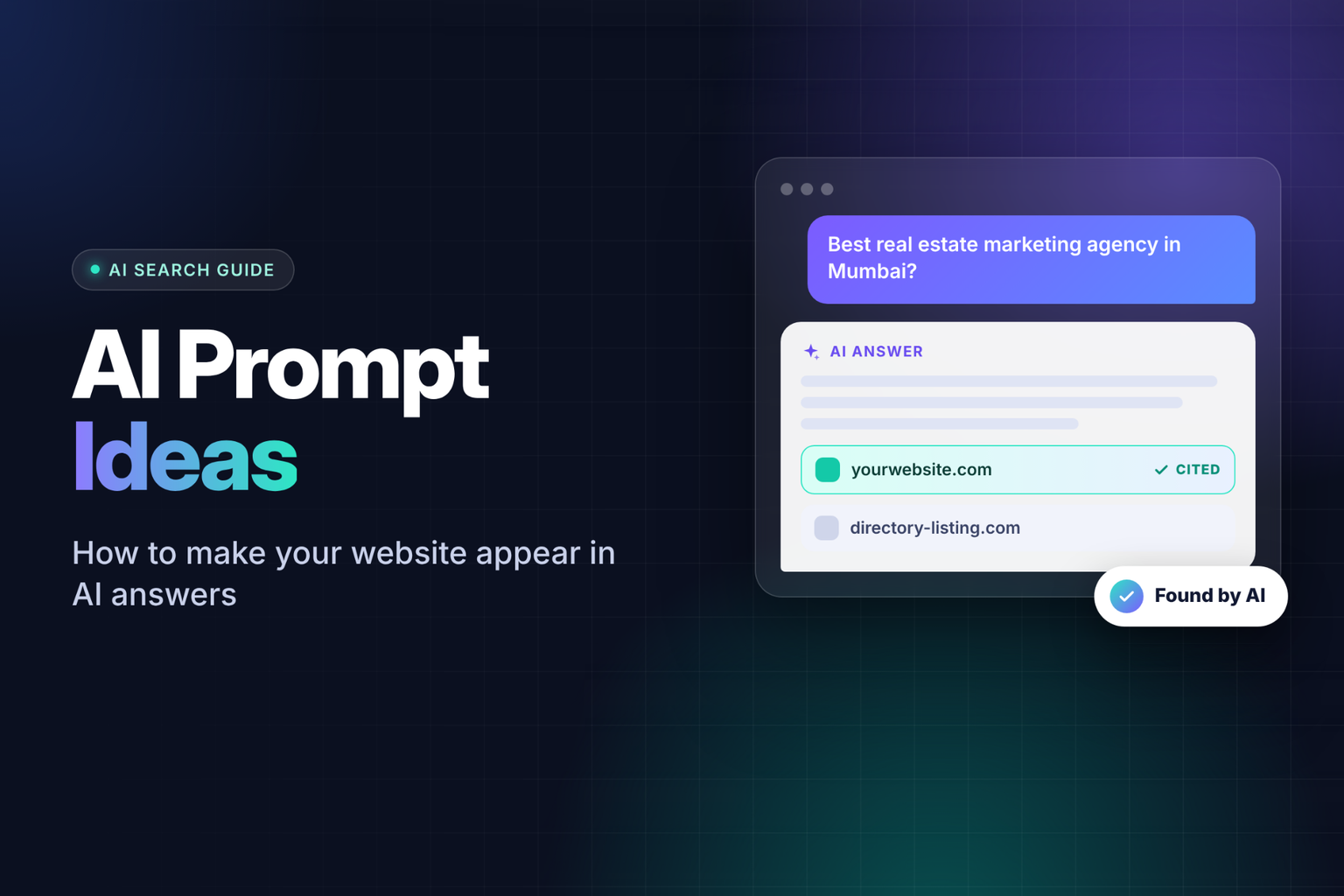
Google’s AI Mode, also called the Search Generative Experience (SGE), uses generative AI to give users smart, summarized answers right on the search page. Instead of simply displaying a list of links, Google now creates real-time summaries based on the query, pulling information from multiple credible sources and presenting it in a clear, conversational format.

Key Features of AI Mode:
- AI-generated summaries for search queries
- Contextual follow-up suggestions
- Source attribution and citation
- Smart visual representation (tables, bullets, images)
- Preference for content from trustworthy, expert-led sources
This evolution aims to reduce the friction between a user’s question and their answer, and in doing so, it shifts the weight of SEO from just rankings to relevance, quality, and trust.
The Major Impact on Google’s Ranking Factors
Here’s how AI Mode is rewriting the rules of SEO:
1. Decrease in Organic Click-Through Rates (CTR)
AI-generated summaries often appear at the top of the SERP, answering user queries directly on the page. As a result, users might not feel the need to click through to a website — causing a drop in CTR for traditional organic listings.
What This Means:
Your content should aim to be part of the AI summary itself. That means:
- Structuring your content to answer specific questions
- Using featured-snippet-friendly formats (bullets, tables, FAQs)
Even if CTR drops, being cited in the AI summary builds visibility, trust, and authority
2. E-E-A-T Becomes a Central Ranking Signal
Experience, Expertise, Authoritativeness, and Trustworthiness (E-E-A-T) were already critical in previous Google updates, but AI Mode reinforces their importance even further.
Google now emphasizes:
- Verified expertise (especially in YMYL – Your Money or Your Life topics)
- Clearly labeled author bios
- Citable, source-backed information
Action Points:
- Create detailed “About the Author” sections
- Showcase credentials and experience
- Link to original research or credible external sources
3. Long-Tail and Conversational Keywords Rise in Value
AI Mode understands natural language processing and context much better than older algorithms. This means long-tail keywords and question-based search queries are more likely to trigger AI summaries.
Examples:
- Instead of targeting “best smartphones,” target “which smartphone has the best camera for low light photography 2025?”
Strategy Tip:
Use platforms like ChatGPT, Google’s “People Also Ask,” and forums like Reddit or Quora to discover long-form, intent-rich keyword phrases.
4. Depth and Context Over Surface-Level SEO
AI Mode isn’t fooled by fluff. It aggregates and prefers deep, contextual, multi-dimensional content that answers queries thoroughly and anticipates follow-up questions.
Why This Matters:
Short-form blogs or keyword-stuffed landing pages will no longer suffice. Your content should:
- Address multiple aspects of a topic
- Include real-world examples, use cases, and data
- Encourage exploration via internal links (topic clusters)
Pro Tip:
Update your cornerstone blogs to align with this AI-driven approach. Think of each article as a knowledge hub rather than just a content piece.
5. Structured Data, Visuals & Rich Content Are Crucial
Google’s AI Mode uses visual aids, thumbnails, infographics, and structured data to enhance its summaries. If your content lacks visual formatting or schema markup, it’s less likely to be included in the AI output.
What to Do:
- Add schema markup (FAQ, How-To, Product, Article)
- Use visuals with alt text and relevant filenames
- Break down content using lists, headers, and tables
Bonus Tip:
Google loves “digestible” content in AI Mode. Think: bullet lists, numbered steps, and infographics that summarize key points.
6. Voice Search & AI Mode Go Hand in Hand
AI Mode is optimized for voice queries — meaning your content should be too. People using voice search tend to ask longer, more natural questions, which aligns perfectly with AI-generated answers.
Optimization Tip:
- Include headings in question format
- Use conversational tone in subheadings and intros
- Add a dedicated FAQ section with voice-friendly answers
How to Future-Proof Your SEO for AI Mode
Here’s a quick SEO checklist for staying relevant in 2025’s AI-first search environment:
- Optimize for E-E-A-T by showcasing expertise
- Target long-tail and semantic keywords
- Create in-depth, comprehensive content
- Use structured data and schema markup
- Ensure fast-loading, mobile-friendly UX
- Leverage internal linking and topic clustering
- Format content for snippets and voice search
Regularly update outdated posts with new data and structure
Why This Matters for Businesses
For businesses, this isn’t just a technical SEO challenge — it’s a brand trust issue.
If your content doesn’t appear in AI summaries, or worse, gets replaced by competitors in AI-generated answers, your brand visibility will take a hit. SEO in 2025 is no longer just about outranking — it’s about being AI-recommended.
Real Impact Areas:
- Reduced organic traffic for top-ranking pages
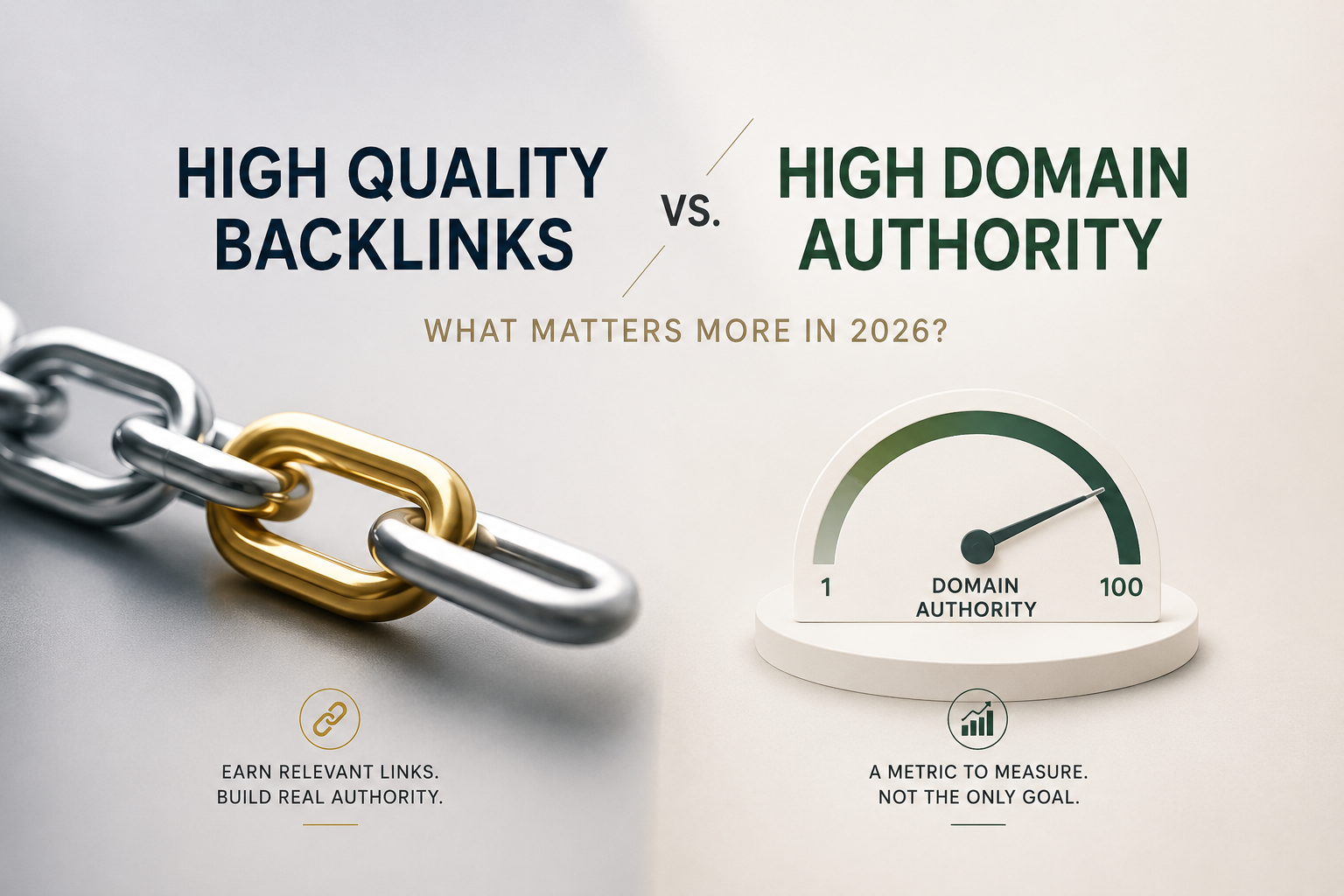
- More focus on content authority than backlinks alone
- Content strategies built around topical relevance, not just volume
Final Thoughts
The launch of Google’s AI Mode has ushered in a new phase of SEO — one driven by intelligence, intent, and user experience. While many traditional SEO tactics still matter (like quality backlinks and technical hygiene), the real winners will be the ones who invest in credible, helpful, and AI-friendly content. Google’s search engine is no longer just a directory — it’s an AI-powered assistant. And to stay visible in 2025 and beyond, your content needs to think like one too.