If you want your website to perform well on search engines like Google, you need to understand the ranking factors in SEO. Search Engine Optimization is all about improving your website so it can rank higher in search results, making it easier for users to find you.
But with so many factors influencing SEO, it’s easy to overlook some important ones. In this post, we’ll highlight some of the critical ranking factors in SEO that you might be ignoring—and why they matter for your website’s success.
1. Content Quality
When it comes to SEO, content quality is one of the most important ranking factors in SEO. Google wants to deliver the most relevant and useful information to its users, so content that provides value and answers questions ranks better.
Why It Matters:
- Content should be well-written, clear, and helpful to users.
- It should provide answers to search queries and cover the topic comprehensively.
- Google values fresh, updated content, so keep your website’s content current.
Tip:
Focus on writing high-quality content that solves your audience’s problems and provides value. Avoid keyword stuffing and focus on natural, engaging writing.
2. Mobile-Friendliness
In today’s world, more people browse the internet on their smartphones than ever before. Google recognizes this shift, and mobile-friendliness is now a major ranking factor in SEO.
Why It Matters:
- Google uses mobile-first indexing, meaning it primarily checks how your website looks on mobile devices.
- A website that isn’t mobile-friendly will provide a poor user experience and may lose rankings.
Tip:
Make sure your website is responsive, meaning it automatically adjusts its layout to look great on any screen size, from phones to desktops.
3. Backlinks
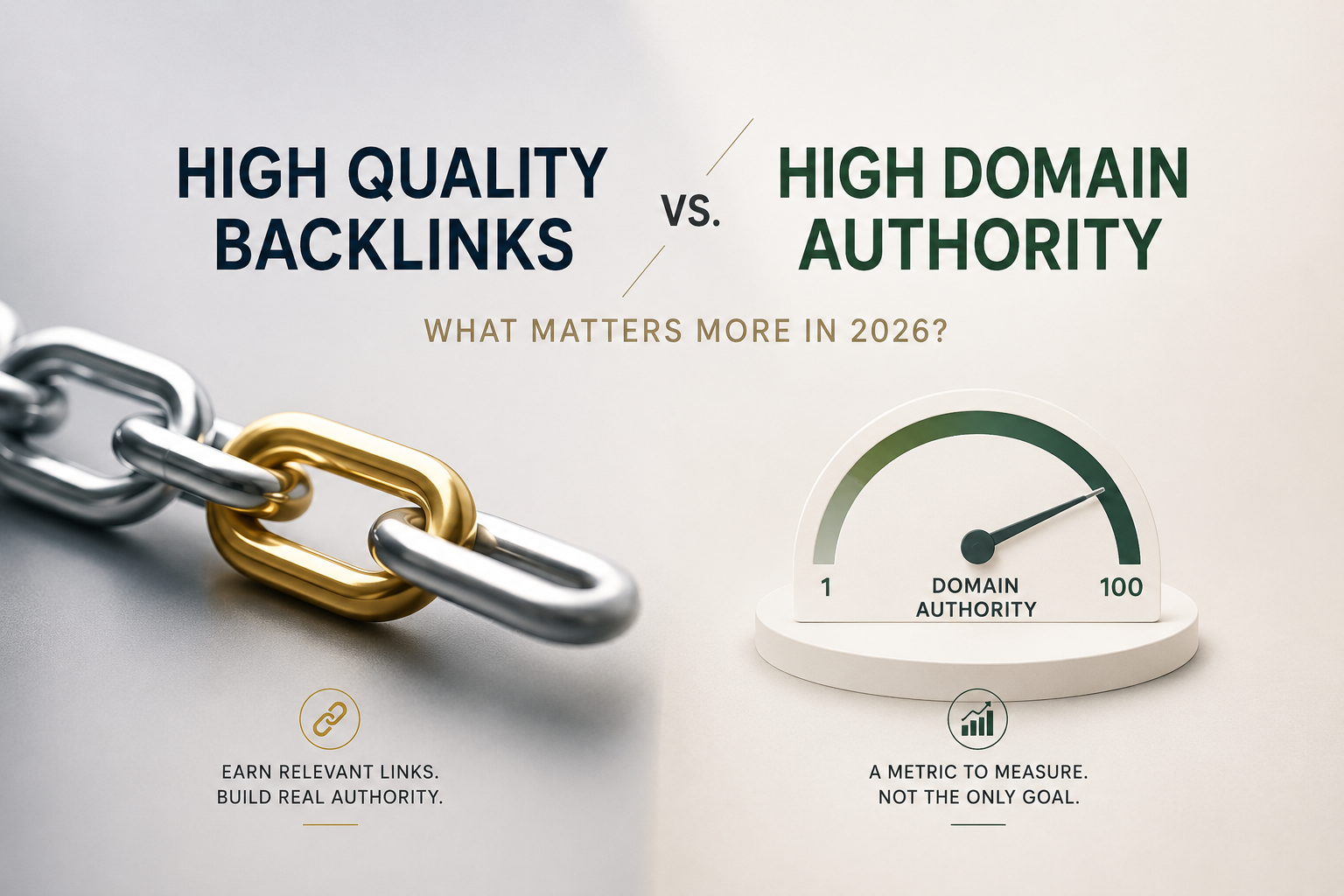
Backlinks—links from other websites to yours—are one of the most powerful ranking factors in SEO. Google views backlinks as votes of confidence, signaling that other websites trust your content.
Why It Matters:
- High-quality backlinks from authoritative sites improve your site’s credibility.
- More backlinks can lead to higher rankings and more organic traffic.
Tip:
Focus on earning relevant and high-quality backlinks. You can do this by creating valuable content that others want to link to, guest posting on respected sites, and collaborating with influencers in your niche.
4. Site Speed
Website load speed is another critical ranking factor in SEO. No one likes a slow website, and Google doesn’t either. If your site takes too long to load, it can lead to a higher bounce rate (people leaving your site before it fully loads) and lower rankings.
Why It Matters:
- Google wants to give users the best possible experience, and slow-loading websites aren’t part of that.
- Faster sites are not only better for SEO but also improve conversion rates and user satisfaction.
Tip:
- Use tools like Google PageSpeed Insights to test your site’s speed and implement suggestions like image compression or leveraging browser caching to improve load times.
5. User Experience (UX)
User experience (UX) has become one of the top ranking factors in SEO. Google’s algorithms are smart enough to determine how users interact with your website. If visitors are happy with their experience, it’s a good sign to Google.
Why It Matters:
- Websites that are easy to navigate, visually appealing, and provide a seamless experience will rank higher.
- UX includes factors like easy navigation, mobile usability, and low bounce rates.
Tip:
Focus on improving your site’s design and functionality. Make sure users can find what they’re looking for quickly, and avoid intrusive pop-ups or ads that disrupt their experience.
6. Keyword Optimization
While keyword stuffing is outdated and harmful, keyword optimization is still one of the essential ranking factors in SEO. Using the right keywords in your content helps search engines understand what your page is about.
Why It Matters:
- Using targeted keywords in your title tags, headers, and throughout your content helps Google understand your page’s relevance to a search query.
- But it’s important to use keywords naturally, rather than forcing them into your content.
Tip:
Do thorough keyword research and choose keywords that match what your target audience is searching for. Aim to use your keywords strategically without overdoing it.
7. Technical SEO
Technical SEO refers to optimizing the technical aspects of your website to help search engines crawl and index it better. It includes things like optimizing your site’s URL structure, improving internal linking, and ensuring there are no broken links.
Why It Matters:
- Technical issues can prevent Google from properly indexing your website, which can hurt your rankings.
- A well-optimized technical structure ensures Google can easily crawl and understand your site.
Tip:
Make sure your website’s technical foundation is solid by fixing broken links, ensuring fast loading times, and having clean and organized URL structures.
Conclusion
Ignoring key ranking factors in SEO can hurt your website’s performance and rankings. By focusing on essential factors like content quality, mobile-friendliness, backlinks, site speed, and user experience, you can improve your website’s chances of ranking higher in search results.
Want to improve your website’s SEO and boost rankings? At Altois, we specialize in SEO strategies, performance marketing, and website optimization to help businesses grow online. Get in touch with us today and take your website to the next level!