Artificial Intelligence (AI) has moved far beyond being a supporting tool in digital marketing. By 2026, AI is no longer just about automation, it has become a strategic engine driving decision-making, personalisation, performance optimisation, and customer experience.
From predictive analytics platforms and AI-driven CRM systems to content generation tools, chatbots, and automated ad optimisation engines, AI is reshaping how brands attract, engage, and convert audiences at scale. This blog explores the role of AI in digital marketing in 2026, highlighting the latest AI tools, strategies, and real-world use cases, along with what marketers must adapt to stay competitive in an AI-first digital landscape.
1. AI-Powered Strategy Planning and Decision-Making
In 2026, AI is deeply embedded in marketing strategy formulation. Instead of relying solely on historical reports, marketers now use AI to:
- Analyse massive datasets across platforms in real time
- Identify emerging trends before they peak
- Predict campaign outcomes before budgets are spent
- Recommend optimal channels, creatives, and timelines
AI-driven insights allow marketers to make data-backed decisions faster, reducing guesswork and improving ROI.
2. Hyper-Personalisation at Scale
Personalisation in 2026 goes far beyond using a customer’s name in an email. AI enables hyper-personalised experiences across the entire customer journey.
How AI is driving personalisation:
- Dynamic website content based on user behaviour
- Personalised email journeys triggered by intent signals
- AI-generated product recommendations
- Behaviour-based ad creatives that change in real time
Brands that fail to personalise risk losing relevance, while those leveraging AI-driven personalisation see higher engagement and conversion rates.
3. AI-Generated Content with Human Oversight
AI content tools in 2026 are significantly more advanced, capable of generating:
- SEO blogs and landing pages
- Ad copies and headlines
- Social media captions
- Video scripts and voiceovers
However, successful brands understand that AI does not replace human creativity. Instead, AI handles speed, structure, and optimisation, while humans refine tone, storytelling, and brand voice.
Key strategy:
AI creates faster. Humans make it meaningful.
4. Predictive Analytics and Customer Intent Mapping
One of the biggest shifts in 2026 is predictive marketing. AI now predicts:
- Which users are likely to convert
- When a customer is about to drop off
- What content will influence the next action
- Lifetime value of leads before conversion
This allows marketers to move from reactive to proactive engagement, targeting users at the right moment with the right message.
5. Smarter Advertising with Autonomous Optimisation
AI-driven advertising platforms in 2026 manage campaigns with minimal manual input.
AI capabilities in paid media:
- Automatic audience segmentation
- Creative performance prediction
- Budget redistribution in real time
- Continuous A/B testing without manual setup
AI doesn’t just optimize ads—it learns and improves continuously, helping brands reduce wastage and increase efficiency across Google, Meta, programmatic, and emerging platforms.
6. AI Chatbots and Conversational Marketing
Conversational AI has become a core part of digital marketing strategies in 2026. Advanced AI chatbots now:
- Understand user intent more accurately
- Provide real-time product guidance
- Qualify leads automatically
- Integrate with CRM and sales pipelines
These bots operate 24/7, offering instant responses and reducing dependency on manual support teams while improving customer satisfaction.
7. Voice, Visual, and Multimodal AI Search Optimisation
Search behaviour has evolved beyond text.
AI-driven optimisation now includes:
- Voice search optimisation
- Visual search (image-based discovery)
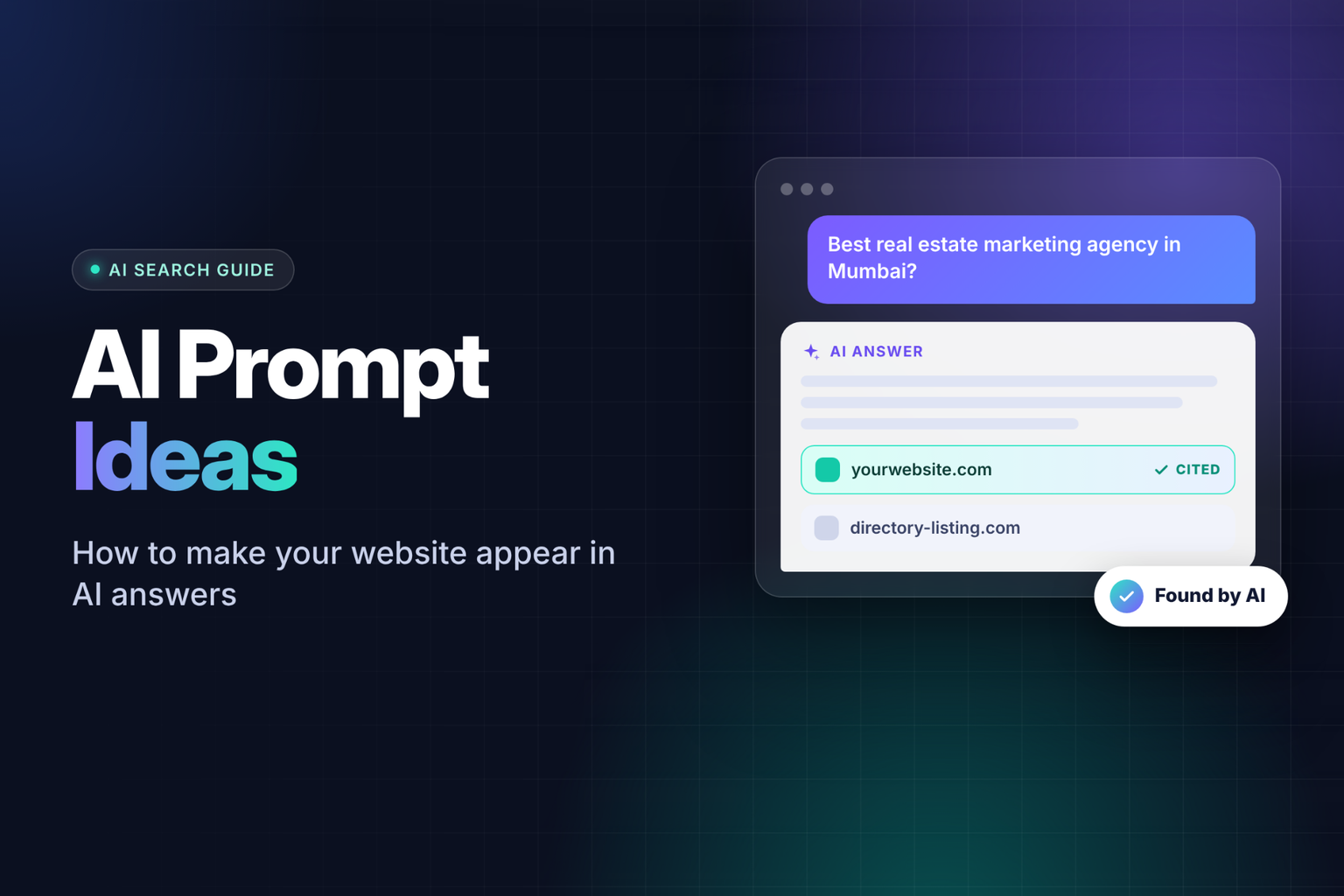
- AI-powered search engines that summarise results
Marketers must optimize content for intent-based and conversational queries, ensuring visibility in AI-powered search experiences.
8. AI in Marketing Automation and CRM Integration
AI-powered CRM systems in 2026 go beyond data storage. They actively guide marketers and sales teams by:
- Scoring leads dynamically
- Recommending follow-up actions
- Triggering automated workflows
- Forecasting deal closures
This tight integration between AI, marketing automation, and CRM improves alignment between marketing and sales teams.
9. Ethical AI, Privacy, and Responsible Marketing
With increased AI usage comes greater responsibility. In 2026, brands must focus on:
- Data privacy compliance
- Transparent AI usage
- Avoiding bias in targeting algorithms
- Ethical personalisation
Trust has become a key differentiator, and responsible AI usage plays a major role in brand credibility.
10. How AI Is Redefining the Role of Digital Marketers
AI has not eliminated marketing roles, it has elevated them.
Marketers in 2026 focus on:
- Strategy and creative direction
- Interpreting AI insights
- Brand storytelling
- Experience design
Routine tasks are automated, allowing marketers to focus on high-impact, strategic work.
Conclusion: The Future of AI-Driven Marketing
In 2026, AI has evolved from a supporting tool into a strategic force shaping every aspect of digital marketing. It empowers brands to make smarter decisions, deliver personalised experiences, and operate with greater efficiency at scale. However, lasting success depends on balancing AI’s capabilities with human creativity, ethical responsibility, and strategic insight. Marketers who strike this balance will define the future of digital marketing.